
Foam Polishing Pad Selection Guide for Perfect Finishing | Professional Guide
In industrial polishing, hardware mirror finishing, plastic and glass precision refinishing, automotive paint restoration, and precision mold grinding processes, workpieces frequently suffer from common defects such as residual scratches, foggy mirror surfaces, surface depression, orange peel texture, uneven gloss, and edge burn-through. Most practitioners attribute these issues to equipment speed or polishing techniques, while the core cause is usually the mismatch of foam pad hardness, density and on-site working conditions.
Lorem ipsum dolor sit amet, consectetur adipiscing elit. Ut elit tellus, luctus nec ullamcorper mattis, pulvinar dapibus leo.
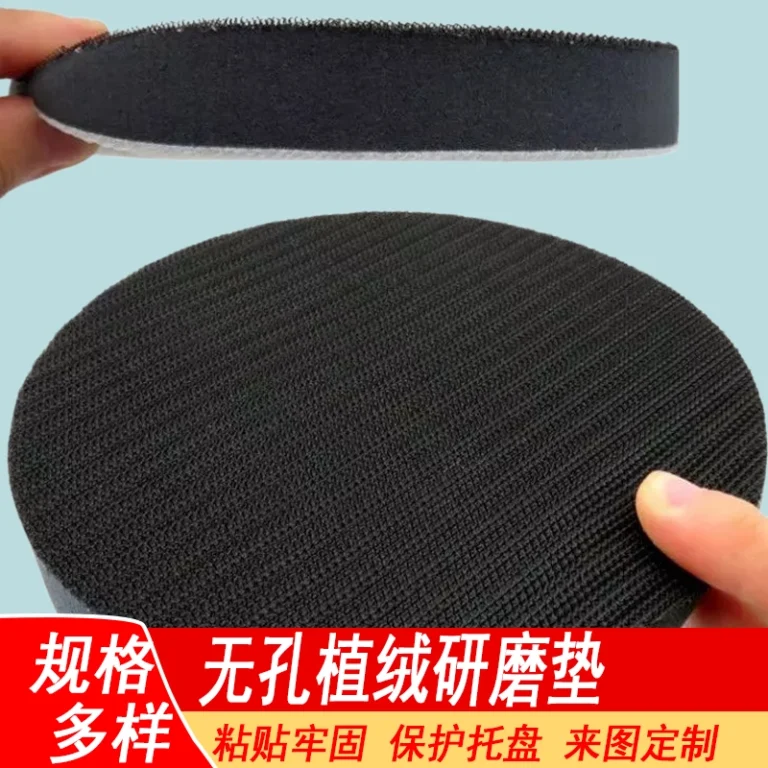
Mainstream industrial grinding pads, flocked polishing pads and sponge polishing pads adopt a composite structure of foam base and flocking surface. The base material quality directly determines flatness and finished product yield. Accurate matching for rough grinding, medium grinding and fine polishing processes effectively reduces polishing defects, rework rates and gloss inconsistency, serving as the key principle for selecting precision polishing consumables. Zhongke Foam specializes in the production and processing of polishing substrates, offering full-hardness and full-style products to meet multi-scenario precision polishing demands.
1. Structural Features and Key Selection Criteria of Foam Polishing Pads
As core consumables for industrial precision polishing, foam polishing pads feature a dual-layer structure: the surface flocking layer removes traces and enhances gloss, while the inner foam layer provides pressure buffering and anti-deformation support. Compared with traditional sandpaper and ordinary grinding pads, foam pads balance support and elasticity effectively. They buffer pressure from pneumatic and electric polishing equipment, preventing workpiece burning, surface collapse and edge chipping. They are ideal for flat workpieces, curved surfaces, special-shaped stepped parts and thin-wall precision components.
Professional polishing selection requires double matching: foam hardness determines leveling and compression resistance, while flocking specification defines polishing fineness. Hard and soft materials cannot be used interchangeably. Zhongke Foam’s composite polishing pads adopt well-proportioned foam pore and flocking structure, fully suitable for mass production and high-precision finishing processes.
2. Working Condition Adaptation of Polishing Pads with Different Hardness
Foam polishing pads are classified into three hardness grades: high-hardness, medium-hardness and ultra-soft, available in standard and special-shaped styles to cover standardized mass polishing and non-standard precision grinding scenarios.
2.1 High-hardness & High-density Foam Polishing Pad
Lorem ipsum dolor sit amet, consectetur adipiscing elit. Ut elit tellus, luctus nec ullamcorper mattis, pulvinar dapibus leo.
Designed mainly for surface leveling and correction, this pad solves orange peel texture on metal plates, uneven thick paint layers, grinding ripples on hard plastics, and unsmooth stone surfaces. Ideal for leveling processes of various hard flat workpieces. Featuring high rigidity and stable deformation resistance, it eliminates the common defects of soft pads such as collapse and poor surface correction under pressure. Uniform grinding force greatly improves flatness accuracy. Made with high-density closed-cell foam technology, it delivers excellent compression resistance, durability and anti-caking performance. Zhongke Foam high-hardness series is widely applied in mass leveling of hard workpieces.
2.2 Medium-hardness Universal Foam Polishing Pad
Serving as universal fine-finish consumables, medium-hardness pads solve the industry pain points of scratching caused by hard pads and insufficient cutting power of soft pads. They effectively remove fine stainless steel scratches, mold oxide layers, foggy surfaces of bathroom hardware and acrylic abrasions, suitable for mass polishing of most metal and plastic workpieces. With balanced hardness and flexibility, they protect workpiece surfaces and offer high fault tolerance and versatile performance. Zhongke Foam medium-hardness series is the mainstream choice for factory mass fine polishing.
2.3 Ultra-soft High-elastic Foam Polishing Pad
Specially developed for delicate precision workpieces, ultra-soft pads eliminate incomplete polishing on curved surfaces, paint burning, mirror fogging and edge burn-through. Typical applications include 3C curved surface finishing, automotive mirror paint polishing, glass arc brightening and thin-wall plastic precision refinishing. The high-elastic material self-adapts to various arcs and curves, buffers grinding pressure, achieves traceless fine finishing, eliminates dead polishing zones and prevents secondary scratches. Zhongke Foam ultra-soft series is the optimal solution for high-end mirror precision finishing.
3. Dual Fast Selection Standard by Style & Hardness
3.1 Standard Polishing Pad
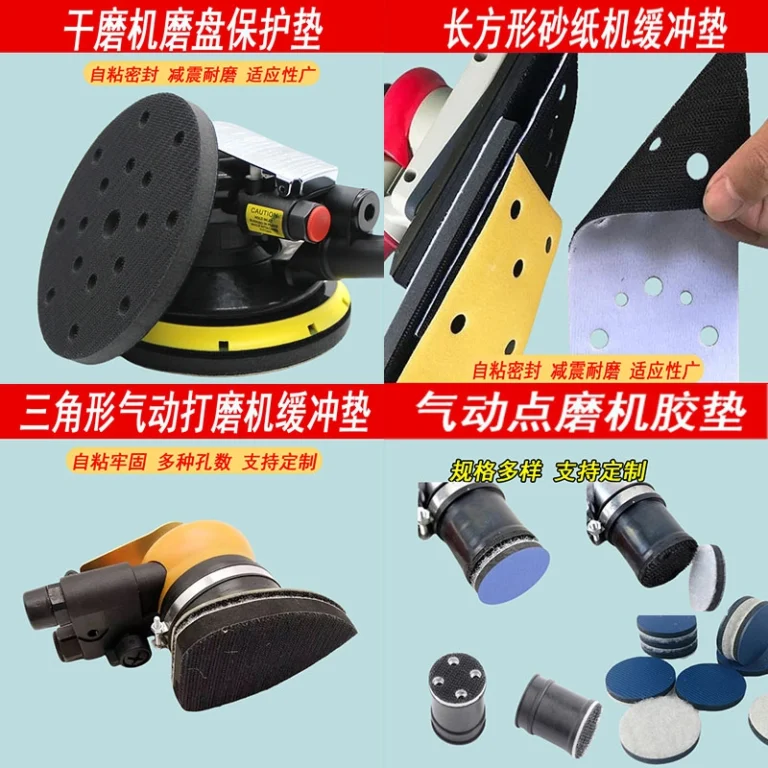
Adopting standard square and round shapes, standard pads fit most general polishing machines, pneumatic and electric grinding equipment. Suitable for standardized mass polishing on flat bases and regular curved surfaces. Zhongke Foam standard pads cover all hardness grades to fulfill full-process demands including leveling, scratch removal and gloss enhancement.
3.2 Special-shaped Polishing Pad
Customizable through special cutting, arc positioning and non-standard sizing, special-shaped pads solve incomplete fitting and dead polishing zones of standard pads. Adapted for non-standard scenarios such as cast aluminum special-shaped parts, mechanical stepped surfaces and irregular curved workpieces. Zhongke Foam special-shaped pads feature excellent toughness with no edge chipping after cutting and stable long-term deformation resistance.
3.3 Selection Summary
High-hardness pads prioritize leveling and correction; medium-hardness pads focus on universal scratch removal and brightening; ultra-soft pads specialize in mirror precision finishing. Matching hardness with standard or special-shaped styles ensures stable polishing quality and reduces workpiece defect rates.
4. Common Polishing Selection Pitfalls
Polishing defects such as blooming, mirror fogging, residual orange peel texture and surface damage are mostly caused by mismatched consumables and working conditions. Using soft pads on flat workpieces easily leads to collapse and deformation; applying hard pads on curved workpieces causes scratches and burn-through. Mixed use of different material hardness and specifications results in uneven polishing and unstable yield.
Zhongke Foam full-series polishing pads feature uniform foaming, durable resilience and stable deformation resistance, covering full-scenario polishing demands. They eliminate various processing risks from the material source, adapting to both industrial standardized polishing and non-standard precision grinding operations.
How to choose foam polishing pad hardness for different workpieces?
Hard flat workpieces such as metal plates and stone adopt high-hardness pads for leveling correction. Most metal and plastic mass polishing uses medium-hardness universal pads for scratch removal and brightening. Curved surfaces, thin-wall parts and high-gloss mirror finishing require ultra-soft high-elastic pads to avoid burn-through and secondary scratches.
What is the difference between standard and special-shaped polishing pads?
Standard square and round pads are suitable for regular flat and curved workpieces and universal polishing equipment, ideal for mass standardized production. Special-shaped custom pads fit irregular, stepped and arc special workpieces, solving polishing dead zones and incomplete fitting problems for non-standard precision processing.
Why do polished workpieces still have orange peel texture and uneven gloss?
The main reason is mismatched pad hardness. Using soft pads for hard surface leveling will cause insufficient correction and residual orange peel. Using hard pads for fine polishing leads to uneven stress and inconsistent gloss. Replacing with matched hardness polishing pads can effectively solve the problem.
Can ultra-soft polishing pads be used for rough grinding?
No. Ultra-soft pads feature strong elasticity but insufficient cutting force, which cannot remove deep scratches and surface defects during rough grinding. They are only suitable for fine polishing and mirror finishing. Rough leveling must use high-hardness polishing pads.