
Packaging Liner Selection Guide | Adaptation Strategies for All Material Types
In industrial shipment, precision electronics transportation, high-end gift box packaging and hardware warehousing and transshipment, enterprises frequently encounter product defects such as surface scratches, fragmentation caused by transportation vibration, electrostatic breakdown of components, stacking deformation and moisture mildew. Most of these problems are not caused by logistics conditions, but by improper material selection. Mismatched shockproof and customized protective liners lead to insufficient protection and high cargo loss rates.
Packaging liners vary greatly in hardness, density, anti-static performance, moisture resistance and compression resistance. With rich experience in foam protection and customized mass production, Zhongke Foam sorts out practical material selection logic through material comparison and working condition matching, effectively solving logistics packaging protection and buffer protection difficulties for various products.
1. Common Industry Pain Points: Core Causes of Failed Packaging Protection
Most packaging protection failures in the industry stem from blind material selection rather than poor logistics conditions. Many enterprises uniformly adopt single-type lining materials for all products, ignoring the differences in product structure, surface material, transportation environment and storage cycle. Hard liners for fragile goods cause collision cracks, ordinary liners for electronic products lead to static damage, and non-moisture-proof liners for long-distance logistics result in mildew and deformation.
Only by selecting targeted packaging liners according to product attributes and application scenarios can we fundamentally avoid surface abrasion, structural damage, static failure and moisture deterioration, reduce after-sales losses, and improve product packaging grade and delivery qualification rate.
2. Core Parameters, Advantages and Disadvantages of Mainstream Packaging Liner Materials
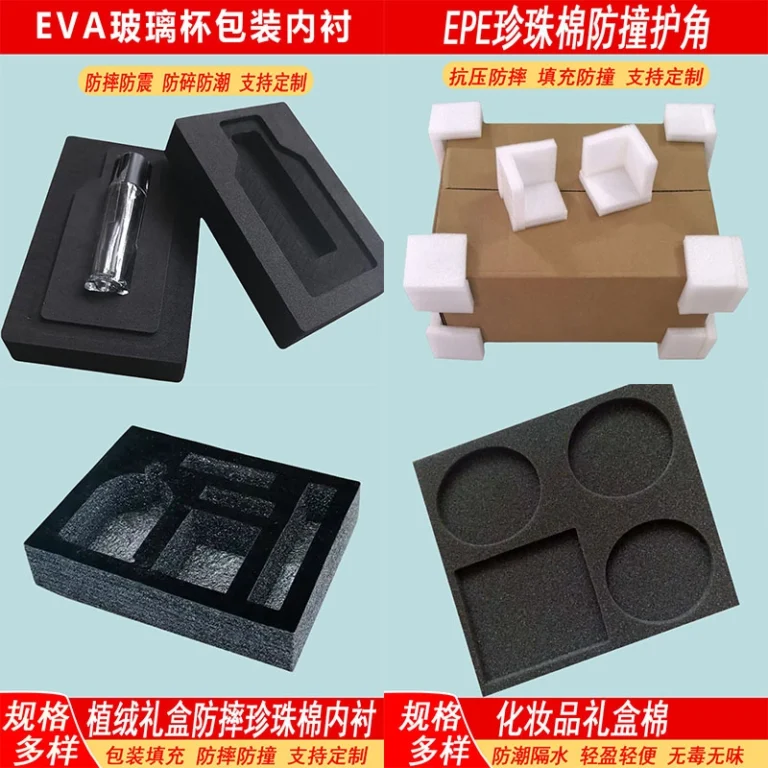
Each liner material has distinct performance strengths and weaknesses. Understanding material parameters is the foundation of accurate selection, fundamentally avoiding protection failure, packaging waste and substandard protection caused by material mismatch. Mainstream industrial packaging liners are divided into three categories: EVA packaging liner, flocked packaging liner and EPE pearl cotton packaging liner, which are the dominant materials for industrial customized and product protective lining applications.
2.1 EVA Packaging Liner (Anti-static / High-density)
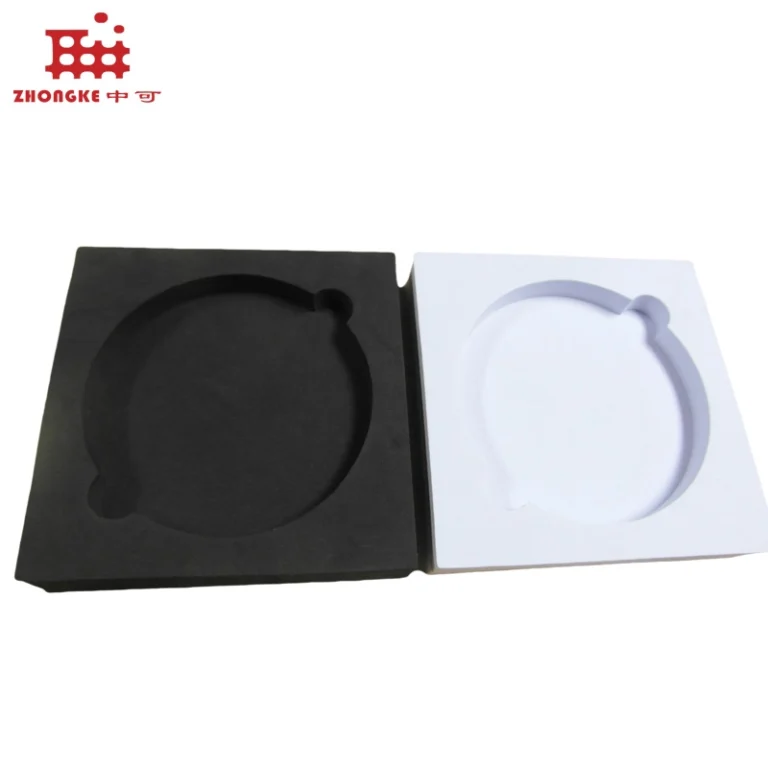
As a mainstream industrial protective material, EVA packaging liner is available in anti-static and high-density hard types. It features a smooth, dust-free and chip-free surface with excellent dimensional stability and neat edges after precision cutting and grooving. The anti-static version releases static electricity efficiently, suitable for dust-free packaging of precision electronics. The high-density version delivers outstanding compression and wear resistance without easy collapse, ideal for shaping and protection of heavy hardware parts, meeting most requirements for precision liner customization and industrial shaping packaging.
Adaptation Advantages: Static protection, dust-free cleanliness, precise positioning and excellent shaping performance. Stable and deformation-resistant during long-term warehousing and long-distance transportation, serving as the preferred material for electronic dust-proof liners and hardware compression-resistant liners.
Typical Applications: Circuit board protective liners, digital accessory shockproof liners, intelligent electronic components and precision instrument small-part packaging.
2.2 Flocked Packaging Liner
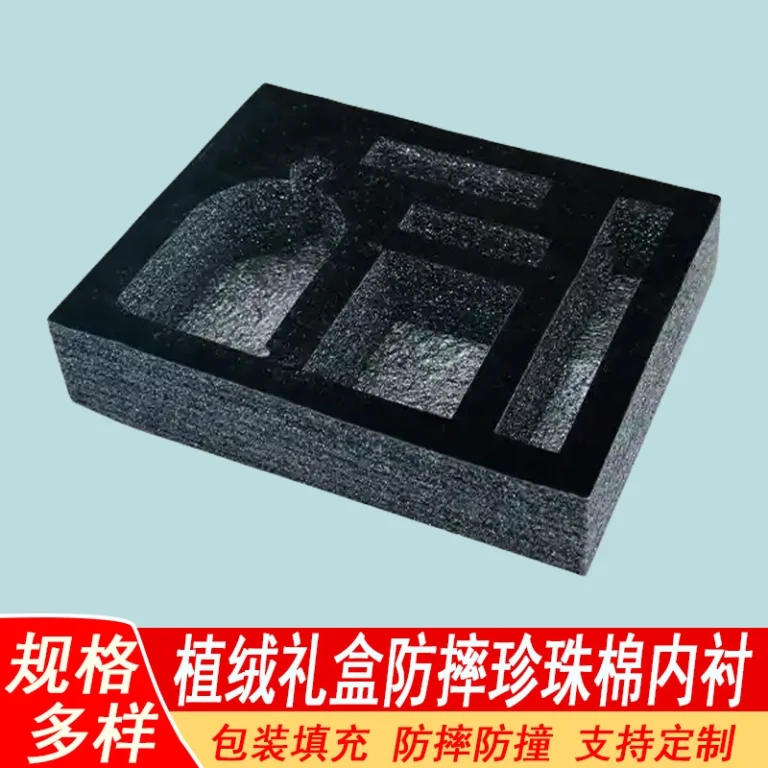
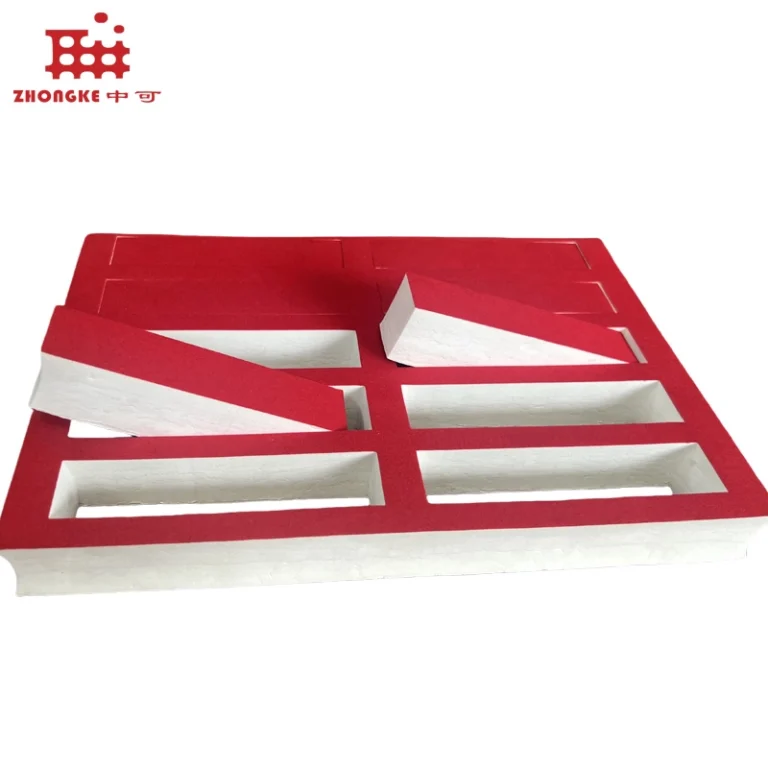
Made via professional flocking technology, flocked packaging liners feature full and smooth fluff that avoids shedding and product scratching. The base material offers excellent flatness and toughness with no peculiar smell or dust. It fits perfectly with various special-shaped product contours, balancing reliable protection and high-end texture, making it a premium choice for high-end gift boxes and craft product protection.
Adaptation Advantages: Flexible scratch resistance, dust-proof surface protection and premium appearance. Effectively protects vulnerable finished surfaces such as mirror, electroplated and painted layers, preventing scratches and wear during transportation and storage, ideal for appearance protection of high-end and light-luxury products.
Typical Applications: Flocked gift box protective liners, jewelry and ornament packaging liners, light-luxury crafts and appearance protection for mirror and electroplated products.
2.3 EPE Pearl Cotton Packaging Liner
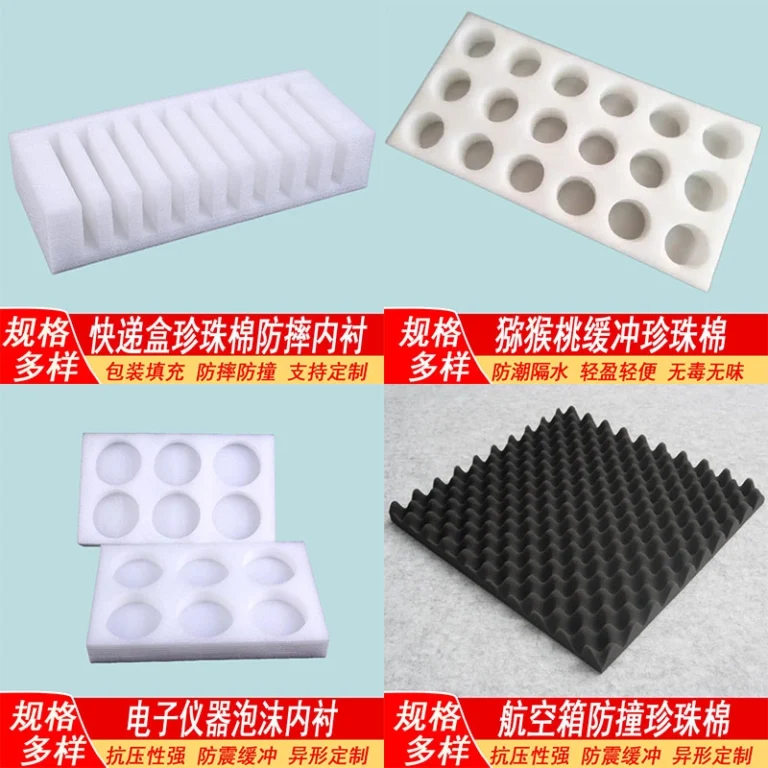
EPE pearl cotton is a high-elastic buffer material with full bubble structure and superior resilience, delivering excellent shockproof, anti-fall and anti-extrusion performance. Featuring light weight and natural moisture-proof and water-resistant properties, it prevents product dampness and mildew with high cost performance, widely adopted as logistics buffer and moisture-proof packaging liner.
Lorem ipsum dolor sit amet, consectetur adipiscing elit. Ut elit tellus, luctus nec ullamcorper mattis, pulvinar dapibus leo.
Adaptation Advantages: Lightweight, high buffering performance and durable moisture resistance. Suitable for high-frequency transshipment and long-distance logistics of large-sized and fragile products, extensively applied in home appliance protection and fragile product shockproof packaging.
Typical Applications: Shockproof liners for large products, buffer liners for fragile goods, logistics turnover packaging and moisture-proof protection for home appliance accessories.
3. Rapid Working Condition Matching: Customized Liner Solutions for Different Scenarios
Blind material selection easily leads to insufficient protection or cost waste. Accurate matching of liner material and structure based on product characteristics, transportation and warehousing conditions fundamentally avoids collision damage during product transit, reduces packaging loss and improves industrial packaging protection efficiency.
3.1 Dust-free Packaging for Precision Electronics
Recommended Solution: Prioritize anti-static EVA packaging liner with independent single-slot embedded structure. One-slot-for-one-product precise positioning achieves dust and static prevention, protecting precision components from static damage and collision failure.
3.2 Mass Shipment of Industrial Hardware
Recommended Solution: Adopt high-density EVA packaging liner with integral connected grooving structure. Regular arrangement, compression resistance and wear resistance provide strong support without collapse, suitable for batch packaging of complete hardware sets and instruments.
3.3 High-end Gift Appearance Packaging
Recommended Solution: Select delicate flocked packaging liner with ultra-thin fitting grooving technology. Zero damage to bright product surfaces and premium texture greatly upgrade packaging grade, perfect for scratch-resistant lining of high-end gift products.
3.4 Long-distance Logistics / Fragile Product Packaging
Recommended Solution: Apply EPE pearl cotton packaging liner. The high-elastic buffer structure strongly resists vibration, impact and extrusion without increasing product weight. With stable moisture and weather resistance, it adapts to long-distance transportation of large-sized products, fragile goods and home appliance accessories.
4. Core Advantages and Compliance Points of Customized Packaging Liners
Customized engraved liners perfectly fit product structures with precise grooving and positioning, eliminating gaps and looseness. They significantly improve protection performance and packaging uniformity, adapt to automated mass packaging and meet enterprise demands for batch and non-standard liner customization.
All customized packaging liners from Zhongke Foam adopt RoHS environmentally compliant raw materials with no peculiar smell or pollution. They fully meet acceptance standards for high-end gift packaging, industrial export and overseas projects, suitable for industrial protective packaging and foreign trade product lining applications.
Which is better, EVA liner or EPE pearl cotton liner?
It depends on application scenarios. High-density EVA liners are suitable for heavy hardware and electronic anti-static dust-proof packaging with high shaping and compression resistance requirements. EPE pearl cotton liners are lighter with better buffering performance, ideal for fragile goods, large products and long-distance moisture-proof logistics packaging.
What liner is suitable for high-end gift box packaging?
Flocked packaging liner is the best choice. It has soft surface, no hair shedding and no scratching, with high-end appearance and surface protection performance, which can perfectly protect mirror, electroplated and craft products and improve the overall packaging grade.
Do electronic products need anti-static EVA liner?
Yes. Precision electronic components are extremely sensitive to static electricity. Ordinary liners are prone to static accumulation, resulting in component breakdown and failure. Anti-static EVA liner can continuously release static electricity and ensure dust-free and safe packaging of electronic products.
Are customized packaging liners environmentally friendly for export?
All liners provided by Zhongke Foam comply with RoHS environmental protection standards, with no peculiar smell, no harmful substances and no pollution. They pass mainstream international export inspections and fully meet overseas project packaging requirements.