
Industrial Sealing Strip Selection Guide | Full Scenario Application of Foam & Rubber Materials
In scenarios such as industrial equipment operation, building doors and windows, and electromechanical cabinet application, waterproof sealing strips, door and window sealing strips, and equipment dust-proof sealing strips serve as core auxiliary materials for stable sealing performance. According to production processes and forms, they are classified into two major categories: solid rubber & plastic sealing strips and foam rubber & plastic sealing strips. Though derived from the same base materials, the two types differ significantly in performance and working condition adaptability. Many operation and maintenance personnel and purchasers encounter problems such as sealing water leakage, failed dust prevention and equipment abnormal noise due to insufficient understanding of material characteristics. This article elaborates on the material properties and applicable scenarios of the two types of sealing strips, providing practical selection skills for industrial matching.
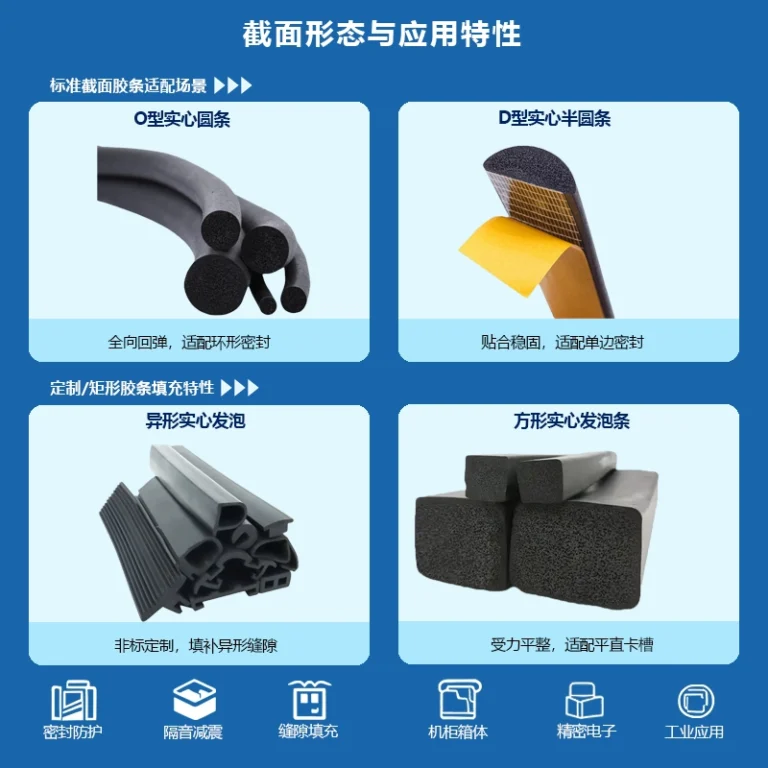
1. Solid Rubber & Plastic Sealing Strips: Dedicated for Heavy-duty & High-load Working Conditions
Formed through high-temperature vulcanization, solid rubber and plastic sealing strips feature a compact structure, high strength and excellent deformation resistance, adapting to harsh heavy-load working conditions involving high pressure, high temperature and oil contamination. The mainstream materials include EPDM, VMQ silicone, NBR nitrile rubber and solid PU polyurethane, each with distinct performance advantages and scenario adaptability. Among them, NBR is the exclusive material for industrial oil-resistant sealing applications.
1.1 EPDM Sealing Strip: Universal Industrial Weather-resistant Material
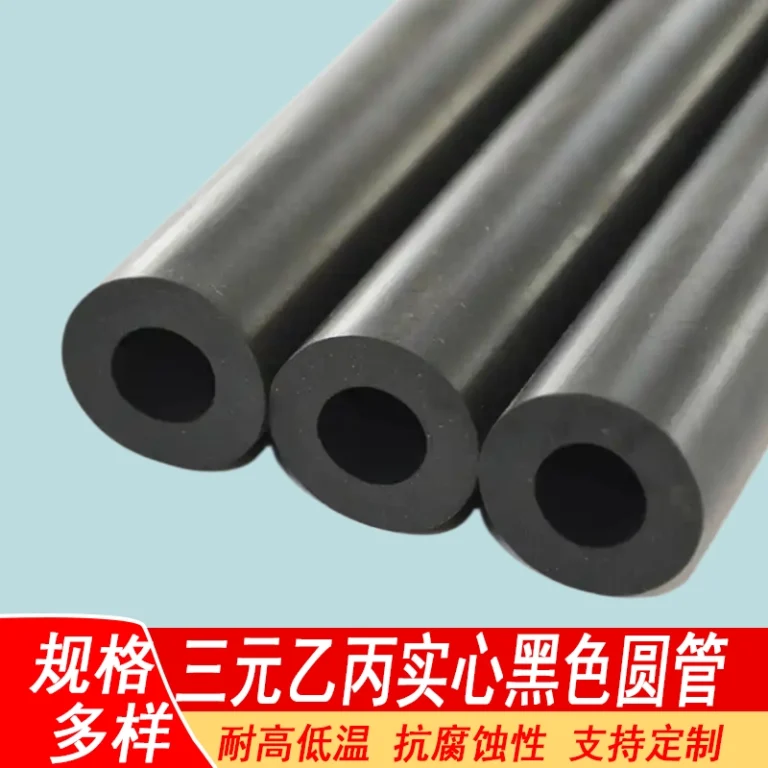
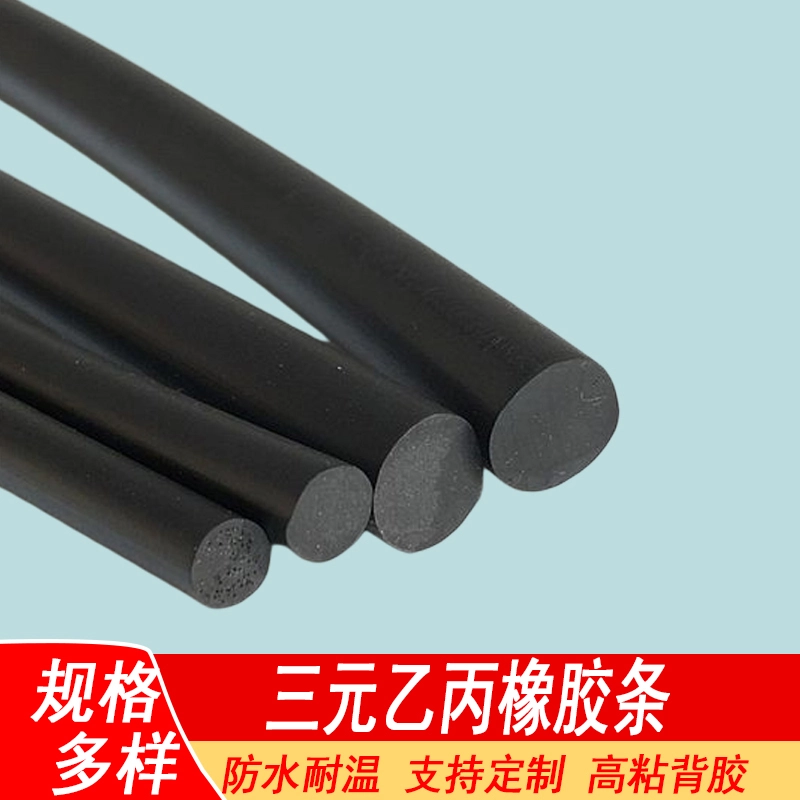
As a universal industrial sealing material, EPDM excels in weather resistance, aging resistance, ozone resistance and heat resistance, with a stable temperature adaptation range of -40℃ to 120℃. It delivers reliable waterproofing, dust prevention, insulation and resilience, and maintains stable performance without permanent deformation under long-term compression, making it ideal for industrial scenarios with outdoor exposure, humidity and temperature fluctuations. Note: EPDM has poor oil resistance and tends to swell and fail when exposed to mineral oil and grease, so it is not applicable for oily working conditions.
Applications: Waterproof and dust-proof sealing for building doors and windows, outdoor electrical cabinets, central air conditioning, rail transit, engineering machinery and photovoltaic equipment. It is the preferred universal material for architectural and industrial waterproof sealing strips.
1.2 VMQ Silicone Sealing Strip: Specialized for Extreme High & Low Temperature Conditions
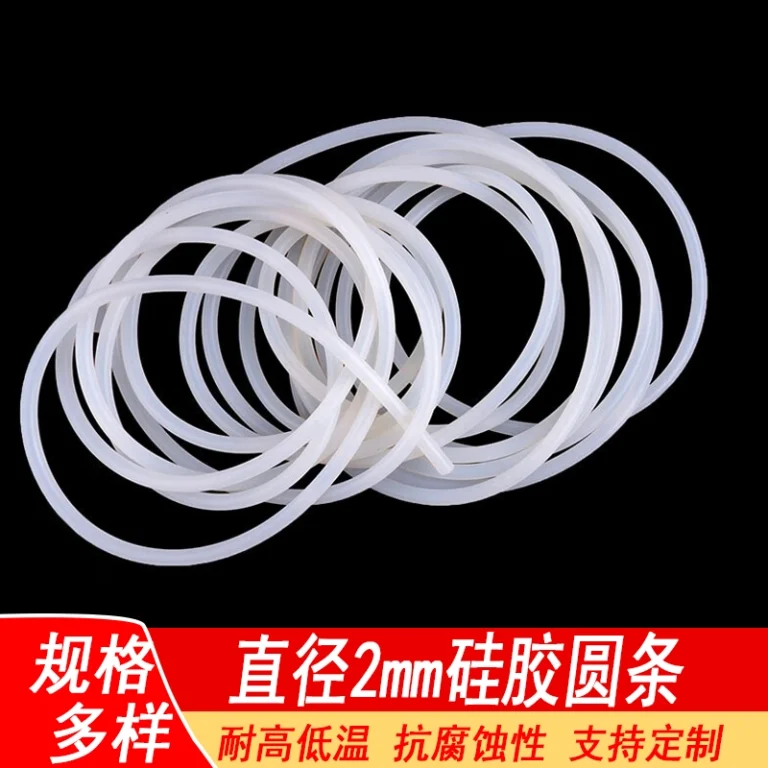
Featuring outstanding extreme temperature resistance, silicone sealing strips work stably within a wide temperature range of -60℃ to 200℃ without brittleness or aging under high and low temperature alternation. With non-toxicity, flame retardancy and corrosion resistance, it adapts to high-standard sealing demands for clean and high-temperature environments.
Applications: High-temperature equipment, food and pharmaceutical machinery, new energy battery cabins, precision medical instruments and high-temperature resistant doors and windows, suitable for high-end waterproof sealing and clean equipment sealing scenarios.
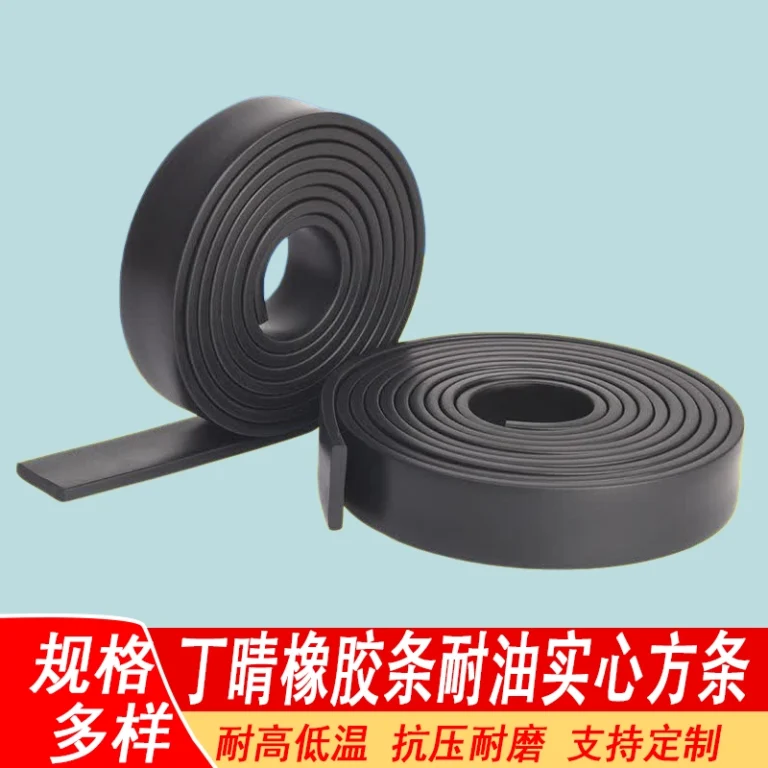
1.3 NBR Nitrile Rubber Sealing Strip: Industrial Oil-resistant Special Material
NBR is a dedicated industrial oil-resistant sealing material that effectively resists penetration and swelling caused by various industrial oils and organic solvents. It features excellent wear resistance, compression resistance and structural stability, with an applicable temperature range of -30℃ to 100℃. Focused on oily working conditions, NBR has poor weather resistance and cannot withstand long-term outdoor strong sunlight and high ozone exposure.
Applications: Hydraulic equipment, automotive parts, chemical oil delivery equipment and heavy machinery oil isolation. It is the core material for heavy-duty industrial oily sealing and not applicable for outdoor exposure or lightweight door and window sealing scenarios.
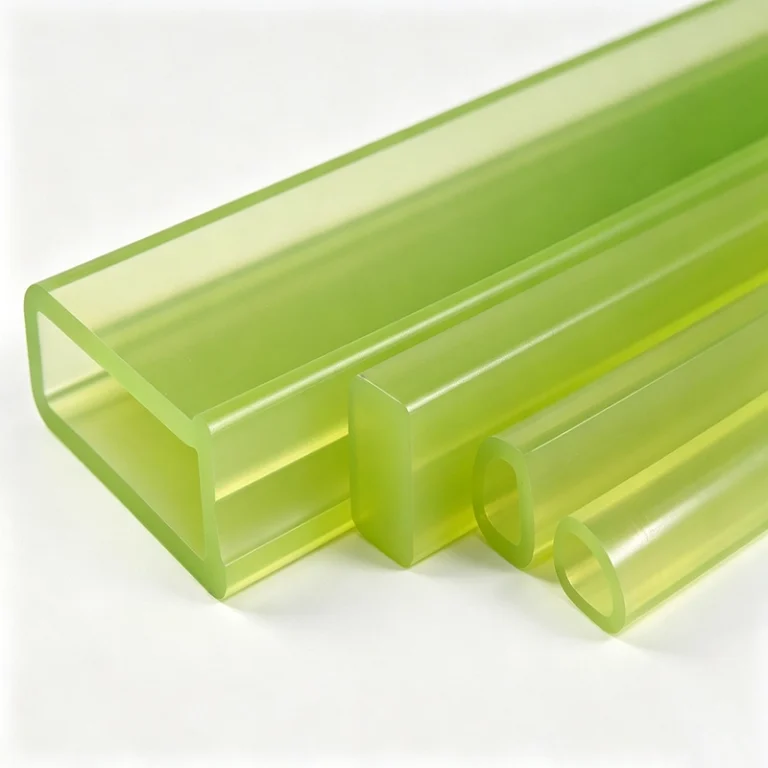
1.4 Solid PU Polyurethane Sealing Strip: High-elasticity Wear-resistant Material for Precision Working Conditions
Solid PU stands out in elasticity, tear resistance and wear resistance. Its non-porous compact structure delivers excellent dust-proof, sound-insulating and buffering performance, with reliable aging resistance and UV resistance and no deformation under long-term compression. It adapts to normal and medium-temperature precision scenarios, while its heat resistance is limited with a long-term working temperature not exceeding 100℃, making it unsuitable for severe high-temperature environments.
Applications: Precision automation equipment, industrial control cabinets, cold chain equipment, high-end silent doors and windows and precision instruments, meeting high-quality sealing demands for silent doors, windows and precision equipment.
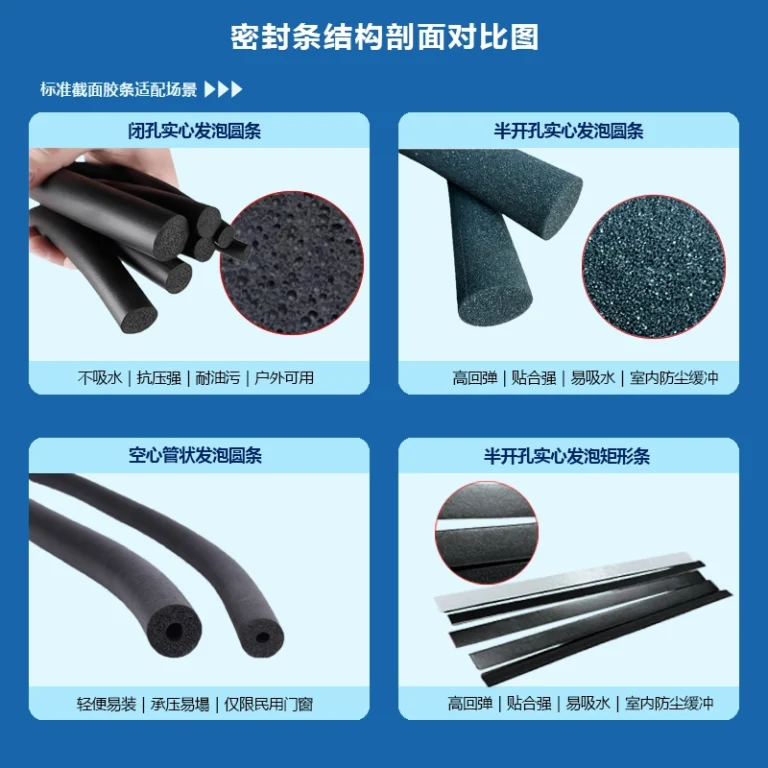
2. Foam Rubber & Plastic Sealing Strips: Lightweight Universal Low-load Sealing Materials
Modified by foaming rubber and plastic substrates, foam sealing strips feature soft texture and excellent fitting performance for irregular gaps. Integrating waterproofing, dust prevention, sound insulation and buffering functions with anti-aging and anti-collapse properties, they are widely used for lightweight low-load scenarios such as doors, windows and light-duty equipment. Mainstream foam materials include EPDM foam, VMQ silicone foam, NBR foam, PU foam and CR neoprene foam, which inherit the core advantages of their base materials and adapt to different lightweight scenarios.
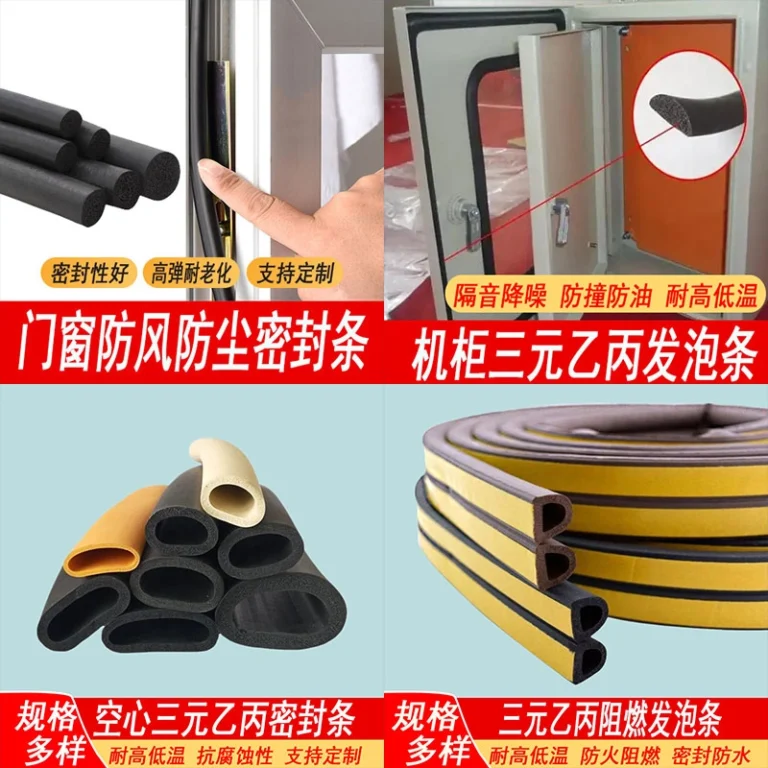
2.1 EPDM Foam Sealing Strip: Lightweight Outdoor Weather-resistant Sealing Material
Made of foamed EPDM rubber, this material features excellent weather resistance, aging resistance and resilience without easy deformation, perfectly adapting to lightweight outdoor sealing scenarios with humidity and mild temperature changes.
Applications: Engineering door and window sealing, broken bridge aluminum gap filling, outdoor cabinets and photovoltaic lightweight sealing, serving as the core material for lightweight waterproof and architectural sealing strips.
2.2 PU Polyurethane Foam Sealing Strip: Precision Silent Buffering Sealing Material
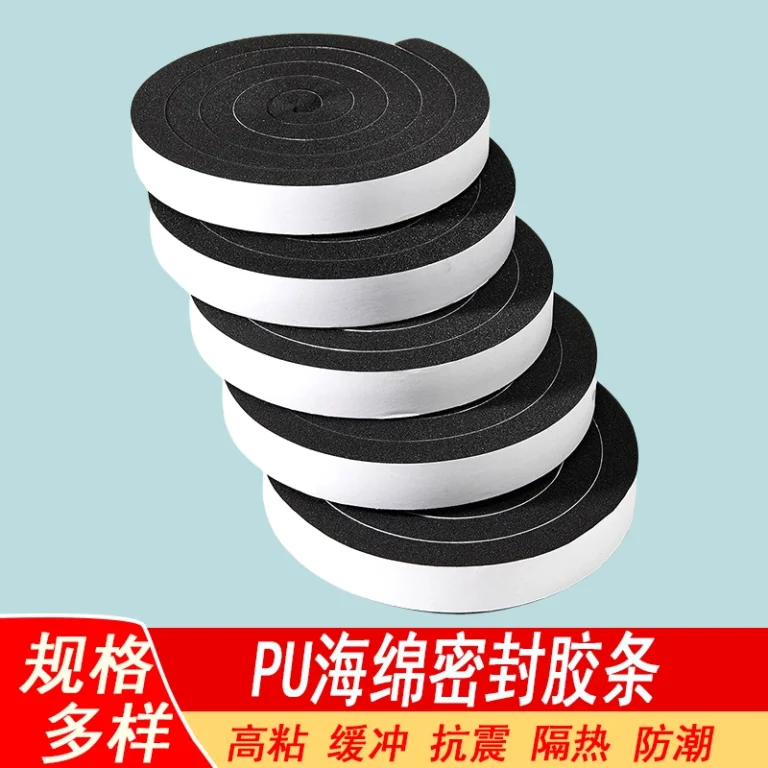
With soft, compact texture and superior resilience, PU foam sealing strips fit gaps closely, featuring flexible gap filling, sound absorption, noise reduction, buffering and waterproofing capabilities for various irregular gaps. Focused on lightweight flexible sealing scenarios, it differs distinctly from solid PU designed for high-strength wear-resistant precision hard sealing conditions.
Applications: Broken bridge aluminum door and window gap filling, household silent sealing, light cabinet dust-proof buffering and indoor equipment sound absorption and shock absorption, suitable for all indoor lightweight flexible sealing scenarios.
2.3 CR Neoprene Foam Sealing Strip: Universal Flame-retardant Shockproof Sealing Material
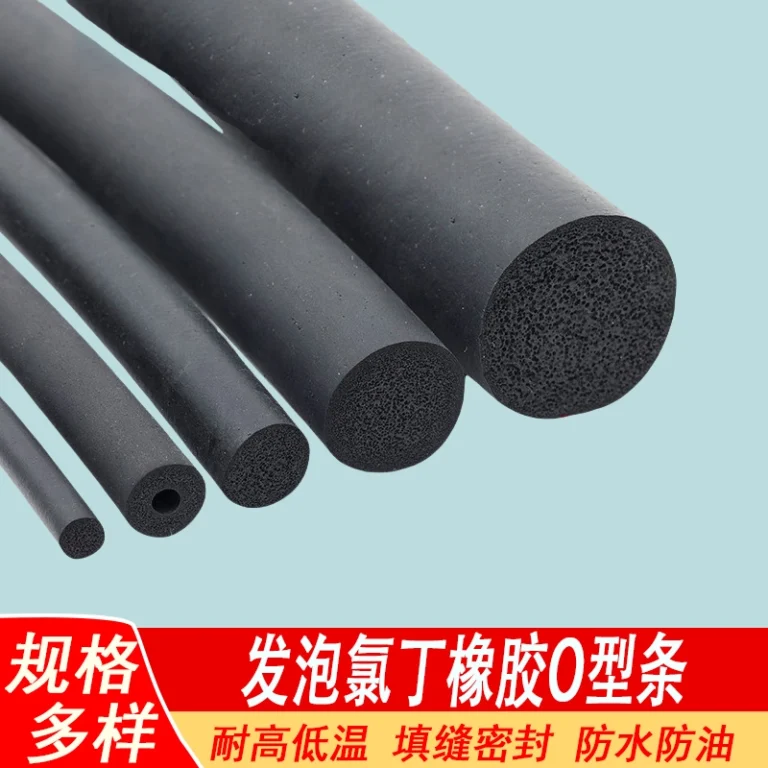
Formed by neoprene foaming, this material features flame retardancy, acid and alkali resistance and shockproof buffering performance with excellent sealing fitting effect, adapting to universal lightweight sealing scenarios such as home appliances, electromechanical cabinets and wall gaps.
Applications: Home appliance waterproofing, wall sealing, electromechanical shock and noise insulation, and small cabinet dust prevention, covering conventional lightweight sealing demands.
.4 VMQ Silicone Foam Sealing Strip: Clean High-temperature Resistant Lightweight Sealing Material
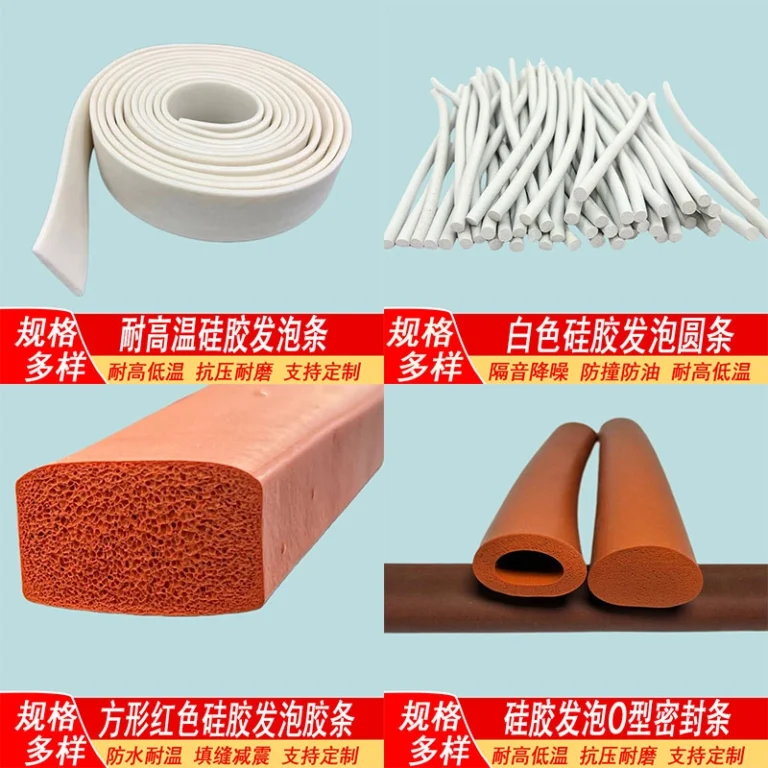
Inheriting the core advantages of solid silicone including extreme temperature resistance, non-toxicity, flame retardancy, insulation and corrosion resistance, silicone foam is softer and more flexible with better buffering performance. It adapts to lightweight scenarios with temperature alternation and clean odor-free requirements, resisting aging and cracking within a wide temperature range.
Applications: Food and household appliance sealing, high-temperature light cabinet dust prevention, medical equipment buffering sealing and high-temperature resistant door and window lightweight gap filling, serving as the preferred material for high-end clean lightweight sealing.
2.5 NBR Foam Sealing Strip: Lightweight Oil-resistant Buffering Sealing Material
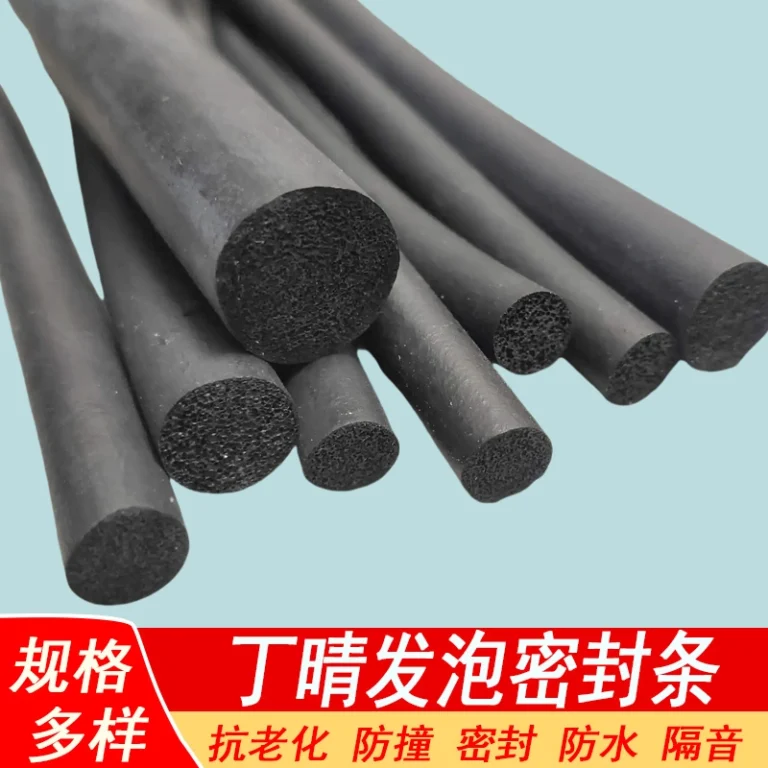
Retaining the excellent oil resistance of solid NBR, the porous foamed structure optimizes shock absorption performance with softer texture and stronger fitting capability for irregular oily gaps. It makes up for the disadvantages of hard texture and insufficient buffering of solid NBR while maintaining stable performance. With poor weather resistance, it is not suitable for long-term outdoor sun exposure.
Applications: Light-duty oil-contaminated equipment buffering, automotive interior lightweight sealing, electromechanical oil isolation and small hydraulic equipment dust-proof buffering, exclusively applicable for lightweight oily sealing scenarios.
3. Core Selection Rules & Common Pitfalls
The core principle of industrial sealing strip selection is matching material performance with actual working conditions. Solid sealing strips are designed for heavy-load, high-pressure, high-temperature and oily harsh environments, focusing on structural stability and permanent sealing effect. Foam sealing strips are suitable for low-load, irregular gap, indoor and lightweight scenarios, focusing on flexible fitting, noise reduction and buffering sealing. Blindly pursuing hard solid strips or soft foam strips will lead to poor sealing, water leakage, dust penetration and abnormal equipment noise.
Common selection mistakes include using weather-resistant EPDM strips in oily environments, applying oil-resistant NBR strips for long-term outdoor exposure, adopting ordinary foam strips for high-pressure heavy-load sealing, and using common sealing materials for high-temperature and clean equipment. Reasonable material matching can completely solve sealing failure and prolong the service life of sealing accessories.
Zhongke Foam provides full-series customized industrial sealing strips, covering solid and foam materials of EPDM, NBR, PU, CR and silicone. Supporting customized thickness, density, size and special-shaped cutting, the products adapt to industrial heavy-duty, building doors and windows, electromechanical equipment, household silent sealing and other full-scenario demands, effectively avoiding selection errors and sealing failure risks.
What is the main difference between solid and foam sealing strips?
Solid sealing strips have compact structure, high hardness and strong pressure resistance, suitable for heavy-load, high-temperature, oily harsh industrial environments with high sealing stability. Foam sealing strips are soft and flexible with excellent gap fitting performance, ideal for low-load, irregular gap, indoor silent and buffering sealing scenarios.
Which sealing strip is oil-resistant for industrial mechanical equipment?
NBR solid sealing strip is the first choice for industrial oily equipment. For lightweight oily buffering and sealing scenarios, NBR foam sealing strip can be selected. Other materials such as EPDM and silicone have poor oil resistance and are not suitable for oil-contaminated working conditions.
What sealing material is suitable for high and low temperature alternating environments?
VMQ silicone sealing strip is optimal. Solid silicone strips adapt to high-temperature heavy-load clean equipment, while silicone foam strips are suitable for lightweight, silent and temperature-resistant sealing scenarios, maintaining stable performance in -60℃ to 200℃ extreme temperature environments.
Is EPDM sealing strip suitable for outdoor long-term use?
Yes. EPDM solid and foam sealing strips have excellent weather resistance, ozone resistance and aging resistance, which can resist long-term outdoor wind, sun and rain erosion. They are the mainstream materials for outdoor building and industrial equipment sealing, but cannot be used in oily environments.